What to Do Immediately After an Accident: A Guide to Collision Repair Services in New Haven
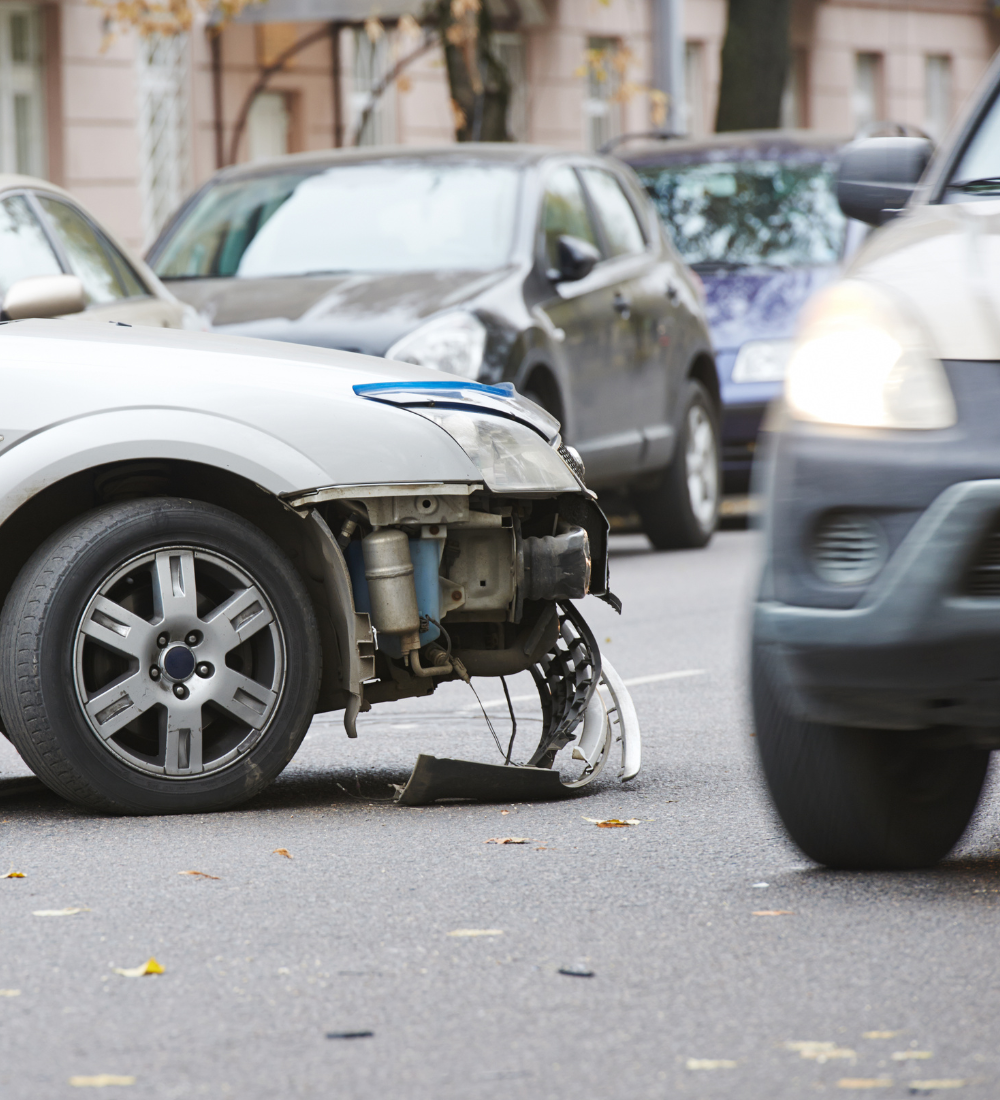
After a car accident, prioritize everyone’s safety, contact emergency services if necessary, document the scene, exchange information with the other driver, notify your insurance company, and arrange professional vehicle inspection and repairs. Choosing experienced car collision repair services helps restore your vehicle safely while ensuring hidden structural damage is properly identified and repaired.
What Should You Do Immediately After a Car Accident in New Haven?
A car accident can be stressful, but taking the right steps immediately can protect your safety, insurance claim, and vehicle. According to the National Highway Traffic Safety Administration (NHTSA), millions of motor vehicle crashes occur every year across the United States, making it essential for every driver to know exactly what to do after an accident.
Follow these steps immediately:
- Check yourself and passengers for injuries.
- Move to a safe location if possible.
- Call 911 if anyone is injured or if significant property damage has occurred.
- Turn on your hazard lights.
- Contact local law enforcement.
- Exchange insurance and contact information.
- Document the accident thoroughly.
- Notify your insurance provider.
- Arrange professional towing if your vehicle cannot be driven.
- Schedule a complete collision inspection before driving the vehicle again.
Following this sequence reduces complications during insurance processing while helping ensure that your vehicle receives the proper repairs.
Professional Collision Inspection Is Very Important
Visible dents and scratches rarely tell the complete story after a collision. Modern vehicles contain sophisticated structural components, crumple zones, sensors, cameras, and safety systems that can sustain hidden damage.
Professional technicians inspect:
- Frame and structural alignment
- Suspension components
- Steering systems
- Brake performance
- Airbag systems
- ADAS sensors and calibration
- Electrical wiring
- Paint and corrosion protection
Even a low-speed collision can affect wheel alignment or compromise structural integrity. Choosing experienced car collision repair services helps ensure every damaged component is identified before repairs begin.
What Information Should You Collect at the Accident Scene?
Accurate documentation plays a major role during the insurance claims process.
Be sure to collect:
- Driver’s name and contact details
- Driver’s license number
- Insurance company and policy number
- Vehicle registration
- License plate number
- Photos of vehicle damage
- Photos of the surrounding roadway
- Traffic signs and signals
- Weather conditions
- Witness names and phone numbers
- Police report number, if available
Comprehensive documentation often helps speed up insurance approval and reduces disputes later.
Accept the First Tow Truck or Repair Recommendation
Drivers are often approached by towing companies shortly after an accident. While some towing operators are reputable, vehicle owners generally have the right to choose where their vehicle is repaired.
Before authorizing towing:
- Verify the towing company’s credentials.
- Ask where the vehicle will be taken.
- Confirm storage fees.
- Contact your insurance company.
- Select a repair facility you trust.
Understanding your repair options allows you to make informed decisions instead of feeling pressured during a stressful situation.
How Does the Collision Repair Process Work?
Professional collision repair follows a detailed sequence designed to restore both appearance and safety.
Step 1: Vehicle Inspection
Technicians perform a complete visual and computerized inspection to identify both visible and hidden damage.
Step 2: Insurance Estimate
Damage documentation is shared with the insurance provider to prepare an accurate repair estimate.
Step 3: Structural Repairs
Frame straightening equipment restores factory specifications whenever structural damage exists.
Step 4: Mechanical Repairs
Damaged suspension, steering, brakes, cooling systems, and other mechanical components are repaired or replaced.
Step 5: Body Repair
Technicians repair or replace damaged panels while maintaining proper panel gaps and factory fitment.
Step 6: Paint Matching
Modern computerized paint-matching technology creates a seamless finish that blends with the original factory paint.
Step 7: Final Quality Inspection
The completed vehicle undergoes multiple inspections before being returned to the owner.
Professional car collision repair services focus on restoring both cosmetic appearance and manufacturer safety standards.
How Long Does Collision Repair Usually Take?
Repair timelines vary depending on several factors:
- Extent of structural damage
- Parts availability
- Insurance approval time
- Paint curing requirements
- ADAS recalibration needs
Minor repairs may require only a few days, while extensive structural repairs can take several weeks. Maintaining communication with the repair center throughout the process helps keep expectations realistic.
OEM Parts Are Important After an Accident
Vehicle owners often hear about OEM and aftermarket replacement parts during repairs.
OEM (Original Equipment Manufacturer) parts are designed specifically for a vehicle’s make and model. These parts generally provide:
- Factory fit
- Consistent quality
- Manufacturer specifications
- Reliable performance
- Better compatibility with safety systems
Aftermarket parts can sometimes offer cost savings, but quality may vary depending on the manufacturer. Discussing replacement options with the repair facility and insurance provider helps determine the most appropriate solution.
Can Hidden Damage Affect Vehicle Safety?
Many collision-related issues remain invisible until a professional inspection is completed.
Hidden damage may include:
- Bent frame rails
- Damaged crumple zones
- Airbag sensor issues
- Suspension misalignment
- Steering damage
- Wheel bearing problems
- Cooling system leaks
- Electrical failures
Ignoring hidden damage can reduce crash protection and increase long-term repair costs. Reliable car collision repair services in New Haven use specialized measuring equipment and manufacturer-approved repair procedures to restore vehicle safety.
How Can Drivers Make the Insurance Process Easier?
Insurance claims become much smoother when drivers stay organized.
Helpful tips include:
- Report the accident promptly.
- Keep copies of all documents.
- Save repair estimates.
- Take clear photographs.
- Maintain communication with your adjuster.
- Ask questions about repair coverage.
- Review the final repair invoice carefully.
Good documentation often shortens claim processing time and minimizes unexpected delays.
Get Back on the Road with Confidence
Recovering from a vehicle accident begins with making informed decisions and trusting qualified professionals to restore your vehicle properly. From the initial inspection to structural repairs, paint refinishing, and final quality checks, every step contributes to restoring both safety and performance. New England Collision is committed to delivering professional collision repair solutions, clear communication, and quality workmanship throughout the repair process. Contact New England Collision today to schedule an inspection, discuss your repair options, or receive expert assistance after your accident.